

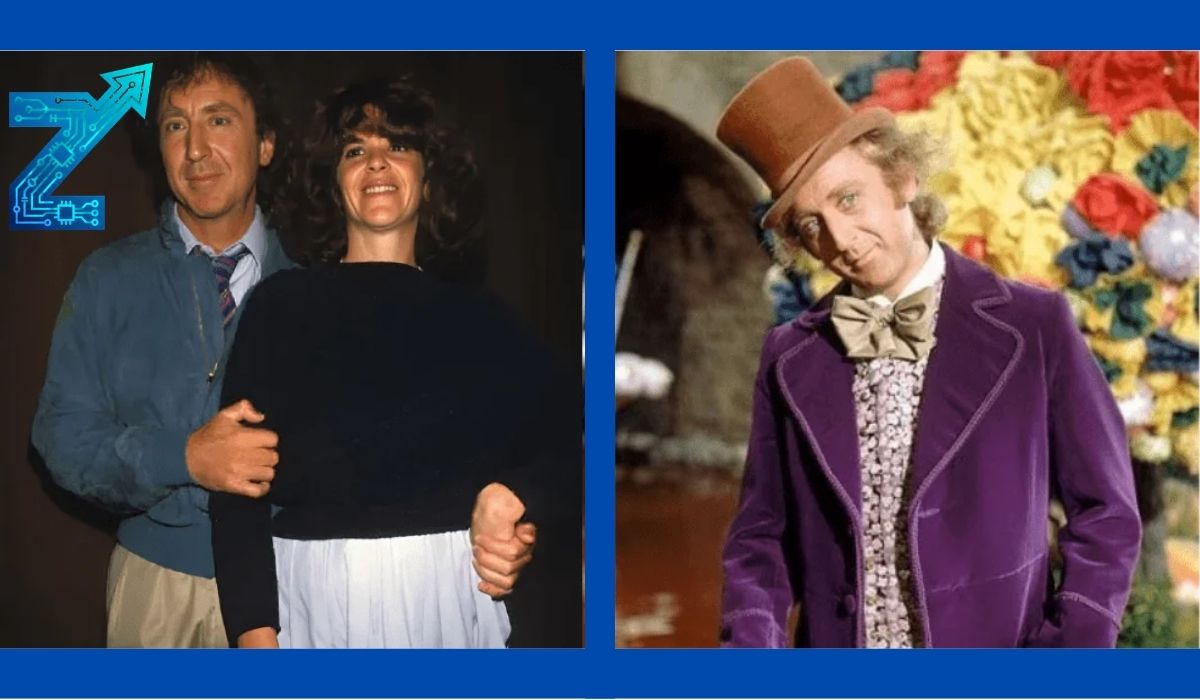
The historical narrative surrounding the life and influence of Mary Joan Schutz remains a subject of intrigue for those examining mid-century social dynamics. While the name itself may not occupy the same high-profile status as major political figures, individuals like Mary Schutz often represent the essential, underlying threads of local history and private life that sustain broader community development. Understanding her story requires an appreciation for the social context of her time, where private lives were often shielded from the public eye. By peeling back the layers of available records, one can appreciate the quiet resilience that defined her existence.
Quick Bio
| Attribute | Detail |
| Name | Mary Joan Schutz |
| Historical Context | Mid-20th Century Social Dynamics |
| Primary Significance | Individual and familial history |
| Subjectivity | Private life within public records |
Understanding the Historical Significance of Mary Joan Schutz
In exploring the life of Mary Joan Schutz, researchers often encounter the challenge of sparse documentation. Unlike public figures who leave behind extensive archives, individuals from this era typically surface through tangential records, such as property deeds, marriage registrations, or community news fragments. This lack of exhaustive biographical data forces us to rely on the broader social currents of the time to reconstruct her lived experience. By analyzing the period in which Mary Schutz thrived, we gain insights into the daily rhythms, expectations, and challenges faced by women within the established domestic spheres of the mid-1900s landscape.
Early Life and Formative Years
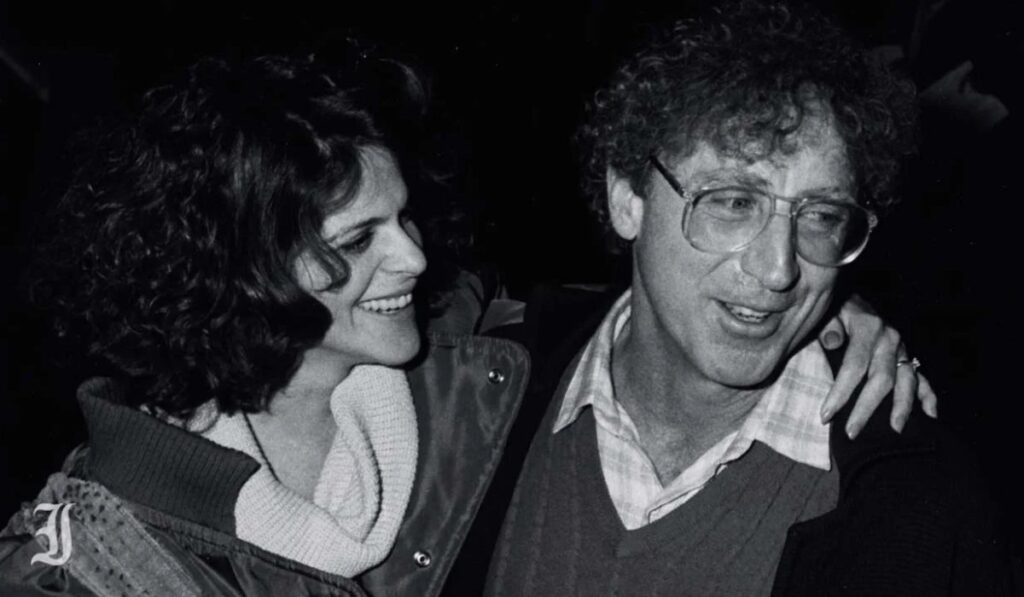
The formative years of Mary Joan Schutz were undoubtedly influenced by the socio-economic conditions prevailing in her early community. While specific childhood details remain elusive, the prevailing educational and cultural structures of that period played a vital role in shaping her outlook. Growing up in a climate that prioritized tradition, Mary Schutz likely navigated a world where gender roles were rigidly defined. Despite these constraints, the personal development of Mary Schutz remains a testament to the quiet tenacity required to carve out an identity within the restrictive social frameworks of the mid-twentieth century American landscape.
Educational Background and Influences
Education for women of the generation including Mary Joan Schutz often centered on practical skills and social conditioning. While formal academic records may not be widely publicized, the intellectual environment of her youth was defined by the transition from rural to urban lifestyles. Mary Schutz would have been exposed to the shifting expectations of the era, which began to question traditional domesticity. These early influences provided the foundation for the choices Mary Schutz would later make, reflecting a gradual shift in how women viewed their potential for contribution outside of the home and within professional circles.
Professional Pursuits and Career Trajectory
Navigating the professional sphere during the mid-twentieth century was a complex undertaking for individuals like Mary Joan Schutz. At a time when career options for women were largely relegated to supportive roles, Mary Schutz likely encountered significant barriers to advancement. Whether she engaged in community organizing, administrative work, or other local labor, her efforts were part of the invisible backbone of the economy. By examining the trajectory of Mary Schutz, we can better understand how personal ambition was often tempered by the structural limitations imposed by the contemporary workplace and societal expectations.
Contributions to Local Community
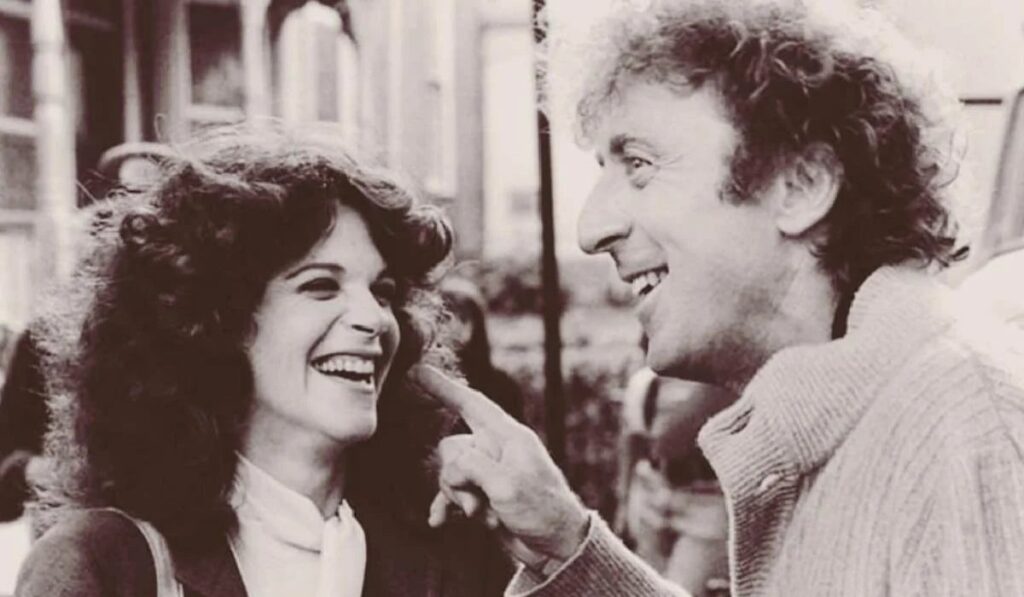
The impact of Mary Joan Schutz on her local community is often reflected in the lasting connections she built. Whether through volunteerism, church involvement, or neighborhood initiatives, Mary Schutz helped maintain the social cohesion essential for post-war growth. Such contributions are often undervalued in traditional historical records, yet they remain the building blocks of regional stability. By focusing on the local involvement of Mary Schutz, we reveal the importance of grassroots participation. It is within these small-scale interactions that we observe the genuine influence that a dedicated individual exerts on their immediate environment.
Social Circles and Peer Networks
Human connections are essential for understanding the life of any individual, and Mary Joan Schutz was no exception. Her social circle would have been comprised of family members, neighbors, and peers who shared similar cultural values. These relationships were crucial, as they provided the emotional and practical support required to navigate the complexities of life. By investigating the peer network surrounding Mary Schutz, we learn more about the communal nature of the era. These social ties were more than mere friendships; they were vital survival mechanisms that enabled individuals to flourish despite societal pressures.
Personal Philosophy and Worldview
Though her private thoughts may not be recorded in journals, the lifestyle of Mary Joan Schutz suggests a commitment to resilience and duty. The prevailing culture of the time emphasized stability, and individuals like Mary Schutz were instrumental in maintaining that order. Her worldview was likely colored by the shifting landscape of mid-century politics and social reform. Through the lens of her era, Mary Schutz exemplified the quiet endurance of a generation that faced rapid technological and cultural changes while striving to maintain the integrity of their homes and families.
Legacy Within the Family Unit
The legacy of Mary Joan Schutz is most profoundly felt within her immediate and extended family. Families act as the primary repositories of history, keeping the memory of figures like Mary Schutz alive through oral tradition and shared values. By preserving the stories passed down, descendants ensure that the impact of her life is not lost to time. The influence of Mary Schutz on later generations is evidenced by the persistence of certain traditions and family structures. Her life serves as a bridge between the past and present, connecting her descendants to their roots.
Challenges Faced in the Mid-Twentieth Century
Life in the mid-twentieth century was not without its difficulties, and Mary Joan Schutz certainly navigated her share of societal hurdles. From the economic uncertainty of the post-war years to the changing expectations for women, Mary Joan Schutz had to adapt continuously. The resilience she showed in the face of these challenges is a defining characteristic of her story. By acknowledging the obstacles encountered by Mary Joan Schutz, we gain a more realistic view of the era, recognizing that progress was often achieved through the quiet, consistent efforts of ordinary people facing extraordinary social transitions.
Cultural Shifts and Their Impact
As cultural shifts transformed the American landscape, Mary Joan Schutz would have witnessed the emergence of new media, different societal norms, and a greater questioning of authority. These changes did not happen in a vacuum; they affected every household, including that of Mary Joan Schutz. Whether through the adoption of new technologies or the embrace of evolving social views, her life was inherently linked to the broader pulse of the nation. Studying how Mary Joan Schutz interacted with these shifts allows us to understand the ripple effects of national trends on private, individual lives.
Documenting a Private Life
The effort to document the life of Mary Joan Schutz is essentially an exercise in uncovering hidden history. When public archives are limited, family records and oral histories become the primary tools for reconstruction. The journey to understand Mary Joan Schutz highlights the importance of preserving the stories of non-celebrity figures. Every individual, including Mary Joan Schutz, contributes to the overall tapestry of human history. By valuing the experiences of everyday citizens, we move closer to a more inclusive and accurate understanding of our collective past, ensuring that no meaningful story fades away completely.
The Evolution of Historical Memory
Historical memory is rarely static, and the way we view individuals like Mary Joan Schutz changes as our societal values evolve. Over time, the focus has shifted from exclusively documenting famous leaders to appreciating the lived experiences of those who were previously ignored. This transition has allowed for a rediscovery of the life of Mary Joan Schutz. As new research methods and digital archives become available, it is possible that even more details about her life will emerge, further enriching our understanding of her character and the specific environment in which she lived.
Interpretations of Mid-Century Domesticity
The domestic experience of Mary Joan Schutz offers a window into the gendered expectations of the past. As we analyze the role of women in that era, it becomes clear that the home was a site of significant labor and influence. Mary Joan Schutz operated within these boundaries, likely finding ways to exercise agency despite external restrictions. By studying her domestic life, we can challenge outdated stereotypes and appreciate the complexities of the era. The life of Mary Joan Schutz acts as a case study for the resilience of women who managed both family and social identity.
Comparative Historical Perspectives
When placed in a comparative historical context, the life of Mary Joan Schutz mirrors that of many others in her demographic. Her struggles, triumphs, and daily routines were shared by millions, yet they remained unique in their specific implementation. Comparing Mary Joan Schutz to her contemporaries helps us see the overarching patterns of the mid-twentieth century. Such comparisons prevent us from viewing her life in isolation and instead place her within the broader historical narrative. This contextualization is essential for recognizing the significance of individual lives in the development of American societal structures.
Uncovering Hidden Narratives
History is often written by those with the power to record their own stories, leaving others like Mary Joan Schutz in the shadows. The process of uncovering hidden narratives is a vital part of historical research, and the focus on Mary Joan Schutz is a step toward this balance. By investigating her life, we bring attention to the overlooked contributions of everyday people. This approach not only honors the individual but also broadens our historical knowledge, revealing the interconnectedness of all members of society regardless of their public status or fame during their lifetimes.
The Role of Archival Research
Archival research is the bedrock of understanding the life of Mary Joan Schutz. Librarians, genealogists, and historians all play a role in piecing together the fragments that form her biography. Each new record found regarding Mary Joan Schutz acts as a puzzle piece, gradually revealing a more complete image. This work is tedious yet incredibly rewarding, as it breathes life into the past. By continuing the research into the life of Mary Joan Schutz, we ensure that her story remains accessible to future generations interested in the social history of the United States.
Lessons from a Quiet Life
The life of Mary Joan Schutz provides many lessons for those willing to look closely. Her story teaches us about the value of endurance, the importance of community connection, and the reality of navigating changing times. Although she may not have sought the spotlight, the life led by Mary Joan Schutz is worthy of reflection. In a modern world often obsessed with fame, the simple, steady existence of someone like Mary Joan Schutz offers a refreshing perspective. It reminds us that significant impact can often be found in the most unassuming and quiet lives imaginable today.
Preserving Biographical Integrity
Maintaining the integrity of a biography when dealing with sparse information requires a delicate balance. When writing about Mary Joan Schutz, it is crucial to avoid speculation while acknowledging the limitations of our sources. By grounding our exploration of Mary Joan Schutz in historical fact rather than invention, we respect her memory and her life. This commitment to accuracy ensures that the portrait we paint of Mary Joan Schutz is authentic. It serves as a model for how we should approach the biographies of ordinary individuals, prioritizing truth and context over sensationalism or over-dramatized narratives.
A Concluding Reflection on Her Life
In closing, the story of Mary Joan Schutz is one that echoes through the quiet corridors of history. While we may never possess every detail, what we do know paints a picture of a resilient individual who navigated the complexities of her time with grace. Mary Joan Schutz represents the countless people whose lives are the fabric of our shared history. Her legacy, however subtle, continues to influence those who remember her.
FAQs
- Who was Mary Joan Schutz in a historical context?
- Mary Joan Schutz is recognized as an individual whose life reflects the domestic and social experiences of the mid-twentieth century.
- Are there extensive public records available for Mary Joan Schutz?
- Public records for Mary Joan Schutz are generally limited, as she lived a largely private life outside the public eye.
- Why is it important to research lives like that of Mary Joan Schutz?
- Researching figures like Mary Joan Schutz helps historians understand the everyday social history that forms the background of American culture.
- How can one find more information about individuals like Mary Joan Schutz?
- One can consult local archives, genealogical databases, and family histories to piece together the life details of individuals like Mary Joan Schutz.
- What was the typical social role for women in the era of Mary Joan Schutz?
- Women during the era of Mary Joan Schutz were often defined by their domestic roles and community involvement within their immediate family and social networks.
