


Ursula Kodjoe has established herself as a significant voice within the fields of family therapy, mediation, and forensic psychology. Her career is deeply rooted in the complexities of high-conflict family law, where she serves as a court-appointed evaluator and consultant. Her expertise is frequently sought in cases involving complex interpersonal dynamics during separation and divorce. By bridging the gap between clinical psychological practice and the legal requirements of family courts, she provides essential insights that help judicial bodies navigate sensitive custody disputes. Her work emphasizes the importance of objective assessment in protecting the well-being of children during legal proceedings.
| Quick Bio | Details |
| Name | Ursula Kodjoe |
| Profession | Family Therapist, Mediator, Forensic Consultant |
| Primary Focus | High-Conflict Family Cases, Parental Alienation |
| Region | Germany |
Clinical Focus on Family Dynamics
The professional work of Ursula Kodjoe centers on the intricate psychological challenges that arise within families undergoing significant transition. She utilizes her background as a therapist to analyze the behavioral patterns that manifest in high-conflict divorce scenarios. Her approach often involves direct engagement with families to assess the underlying causes of hostility and emotional distress. By applying clinical standards to these situations, she aims to Ursula Kodjoe reduce the negative impact on children. Her methodology is designed to create a structured environment where the needs of the child remain the central focus despite the ongoing tensions between parents.
Expertise in High-Conflict Custody Disputes
In the domain of high-conflict family cases, Ursula Kodjoe is recognized for her role as a court-appointed evaluator. This position requires a delicate balance of psychological assessment and legal awareness. She evaluates the quality of parent-child relationships and the influence of external pressures on the child’s perceptions. Her reports often serve as a vital resource for judges who must make difficult custody determinations. By documenting evidence-based observations, she assists the court in identifying the healthiest path forward for families, ensuring that the legal outcomes align with the psychological reality of the individuals involved in the case.
Addressing Parental Alienation Syndrome
A major component of the academic and practical contributions made by Ursula Kodjoe involves the concept of Parental Alienation Syndrome. She has written extensively on this phenomenon, defining it as a situation where a child expresses unjustified rejection of a parent due to external manipulation. Her work highlights how such behaviors can be detrimental to the long-term psychological health of the youth involved. She advocates for proactive intervention strategies that prevent the deterioration of the parent-child bond. Her insights have been cited in various clinical discussions regarding how systemic factors contribute to these alienating dynamics.
The Role of Mediation in Family Law
Mediation serves as a cornerstone of the services offered by Ursula Kodjoe, providing families with a constructive alternative to traditional litigation. She encourages parents to engage in a collaborative dialogue, which is often more effective at resolving long-term conflict than court-mandated orders. Through her mediation sessions, she facilitates communication, helping parents shift their focus from blame to cooperation. This process is intended to empower families to reach their own resolutions, thereby minimizing the emotional trauma typically associated with the adversarial nature of court battles. Her approach is grounded in the belief that families can achieve healthier outcomes.
Clinical Contributions to Pediatric Literature
Ursula Kodjoe has contributed to professional literature concerning the intersection of pediatrics and family conflict. Her research suggests that practitioners in the medical field play an unconscious role in the development of parental alienation when they validate a child’s rejection of a parent without thorough investigation. By bringing this to the attention of the medical community, she has sought to establish better standards for pediatric interactions in custody cases. This focus on multidisciplinary awareness ensures that professionals outside of psychology, including doctors and educators, are better equipped to handle reports of familial estrangement.
Perspectives on Child-Centered Legal Standards
In her professional capacity, Ursula Kodjoe frequently emphasizes that legal standards must remain child-centered. She argues that the primary objective of any family law decision should be the protection of the child’s emotional development rather than the fulfillment of parental demands. This perspective often informs her evaluations, where she monitors how legal strategies affect the child’s daily life. She advocates for policies that prioritize the stability of the child’s environment over the personal interests of the adults. By maintaining this focus, she ensures that her contributions to the legal system consistently reflect the best interests of the youth.
International Influence on Family Law Reform
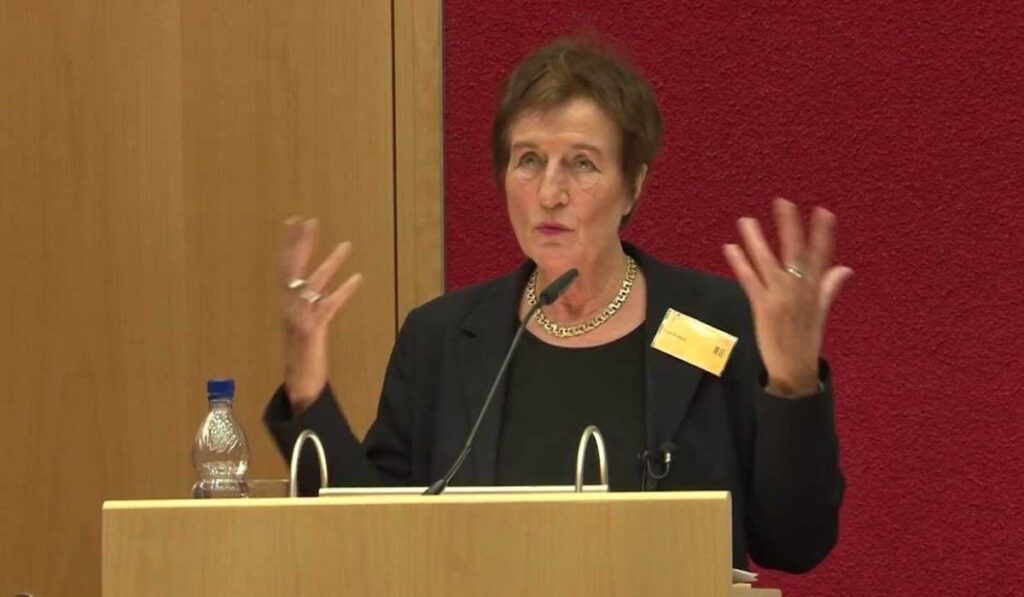
The influence of Ursula Kodjoe extends to discussions surrounding global reforms in family law. She has participated in public forums, including television programs, where she has discussed how countries such as Canada and Australia have approached legislative changes like the parity model. Her comparative analysis of these international frameworks provides valuable context for debates occurring in Germany and elsewhere. By analyzing the outcomes of different legal systems, she helps policy makers understand the potential ramifications of implementing new co-parenting models. Her objective, research-based approach remains a vital part of her contribution to evolving family legal landscapes.
Analyzing Hostile-Aggressive Parenting Patterns
Ursula Kodjoe specializes in identifying the markers of hostile-aggressive parenting that characterize many of the high-conflict cases she manages. She provides professional training and consultation on how to detect these patterns early, which is essential for effective intervention. Her analysis often involves observing how parental attitudes are mirrored in a child’s behavior and communication. By mapping these specific psychological markers, she enables other professionals to distinguish between valid protective concerns and tactical manipulation. This technical skill is highly valued by courts seeking to understand the root dynamics driving family disputes and child-related trauma.
Methodological Rigor in Forensic Evaluations
The forensic evaluations conducted by Ursula Kodjoe are characterized by a high level of methodological rigor. She adheres to strict psychological protocols when conducting interviews, observations, and assessments. This commitment to detail is crucial for ensuring the reliability of her findings in a courtroom setting. Her reports are known for being thorough, covering the social, emotional, and psychological histories of the parties involved. Because her evaluations can heavily influence custody arrangements, she places a strong emphasis on maintaining objectivity and neutrality throughout the entire assessment process, thereby protecting the integrity of the judicial decisions she supports.
The Impact of Divorce on Child Development
Understanding the developmental impact of divorce on children is central to the work performed by Ursula Kodjoe. She frequently addresses the misconception that divorce is a singular event, instead viewing it as a multi-stage process that requires careful management to mitigate long-term harm. Her clinical guidance helps parents recognize how their conflict affects the child’s emotional growth. She provides tools for minimizing the adverse effects of separation, advocating for consistency and emotional stability. Through her focus on child psychology, she promotes practices that help children transition smoothly into new family structures without compromising their sense of security.
Challenges in Modern Custody Evaluations
Ursula Kodjoe has identified several challenges currently facing the field of custody evaluation, particularly regarding the increasing complexity of modern family structures. As families become more mobile and legally complex, the task of assessing the “best interests of the child” has become more difficult. She writes about the necessity for evaluators to stay updated on current social science and clinical research to avoid outdated assumptions. Her commitment to ongoing education and professional development ensures that her methods remain relevant in a rapidly changing world where traditional concepts of parenting are constantly being redefined by technological and societal shifts.
Enhancing Communication Between Professionals
A key aspect of the professional life of Ursula Kodjoe involves facilitating better communication between the various professionals involved in a family case. She frequently collaborates with lawyers, judges, pediatricians, and other mental health experts to ensure a holistic approach to case management. By breaking down the silos between these disciplines, she fosters a more coordinated effort in protecting the child. She often serves as the “connective tissue” in complex cases, providing the psychological context that legal professionals might otherwise miss. This collaborative spirit is essential for the effective delivery of complex family-centered services.
Advocacy for Evidence-Based Practice
Ursula Kodjoe is a vocal advocate for evidence-based practice in all facets of family therapy and forensic evaluation. She critiques methods that lack empirical backing, arguing that the stakes in family law are too high for unverified interventions. Her work involves promoting the use of validated assessment tools and peer-reviewed research in court proceedings. By holding the field to a higher standard of scientific accountability, she helps to ensure that outcomes are based on reliable data rather than conjecture. This commitment to quality and accuracy is a hallmark of her professional identity and clinical practice.
Navigating the Complexity of Family Courts
The environment of the family court is inherently adversarial, presenting unique challenges for clinicians like Ursula Kodjoe. She has documented the difficulties involved in working within these systems, noting that the pressure to produce results can sometimes conflict with the need for careful, time-consuming evaluation. She provides strategic advice to other therapists on how to maintain their professional boundaries while participating in the legal process. Her experience allows her to navigate these high-pressure environments effectively, ensuring that her primary mission—the psychological health of the children involved—remains the top priority despite the intense legal atmosphere.
Professional Development and Training Efforts
Beyond her clinical duties, Ursula Kodjoe invests time in the professional development of her peers. She frequently conducts training sessions for other therapists, lawyers, and mediators on the nuances of high-conflict family cases. By sharing her expertise, she contributes to a wider pool of skilled professionals who are capable of handling sensitive family disputes. Her training programs often focus on the practical application of psychological theory in real-world legal scenarios. This commitment to mentorship strengthens the field as a whole, ensuring that there are qualified experts available to assist families in need of specialized support.
Public Awareness and Education
Ursula Kodjoe engages in public education to raise awareness about the psychological impacts of divorce and the importance of healthy co-parenting. She believes that informed parents are better equipped to navigate separation, which in turn leads to better outcomes for their children. Her contributions to public media and speaking engagements are designed to simplify complex psychological concepts for a broader audience. By translating academic insights into accessible advice, she helps reduce the stigma surrounding family therapy and mediation. Her public-facing work is an essential part of her goal to improve the overall quality of familial conflict resolution globally.
Future Directions in Familial Conflict Research
Looking ahead, Ursula Kodjoe remains focused on exploring new directions in the study of familial conflict. She is interested in how emerging technologies and shifting social norms will affect the nature of child custody and parental involvement in the coming years. Her research efforts are geared toward developing more effective, less invasive intervention strategies that can be adapted to various cultural and social contexts. She continues to contribute to scholarly journals, ensuring that the body of knowledge concerning high-conflict resolution continues to evolve. Her forward-looking perspective keeps her at the forefront of the mental health and legal sectors.
The Continued Significance of Clinical Evaluation
In the final analysis, the work of Ursula Kodjoe underscores the enduring significance of clinical evaluation in the legal sphere. Her career serves as a blueprint for how a dedicated professional can influence the lives of families for the better by upholding high ethical and clinical standards. Whether through direct therapy, mediation, or forensic reporting, her contributions have helped clarify the difficult intersection of law and psychology. Her ongoing efforts ensure that families have access to the expertise necessary to navigate the most challenging moments of their lives with dignity, insight, and a focus on the future. The foundational concepts of her practice are further discussed.
FAQS
Are there specific criteria used in evaluations?
- Evaluations typically include detailed interviews, behavioral observations, and review of relevant documents.
How does mediation differ from traditional litigation?
- Mediation focuses on cooperative problem-solving between parents, while litigation relies on adversarial court-mandated outcomes.
What is the primary focus of forensic reports?
- Reports are primarily focused on the psychological well-being and long-term developmental needs of the children involved.
Can pediatricians influence custody outcomes?
- Yes, pediatricians provide critical context that can significantly shape a court’s understanding of the child-parent relationship.
Is professional intervention recommended in all cases?
- Professional intervention is especially critical in high-conflict cases to minimize trauma and ensure objective decision-making.
