
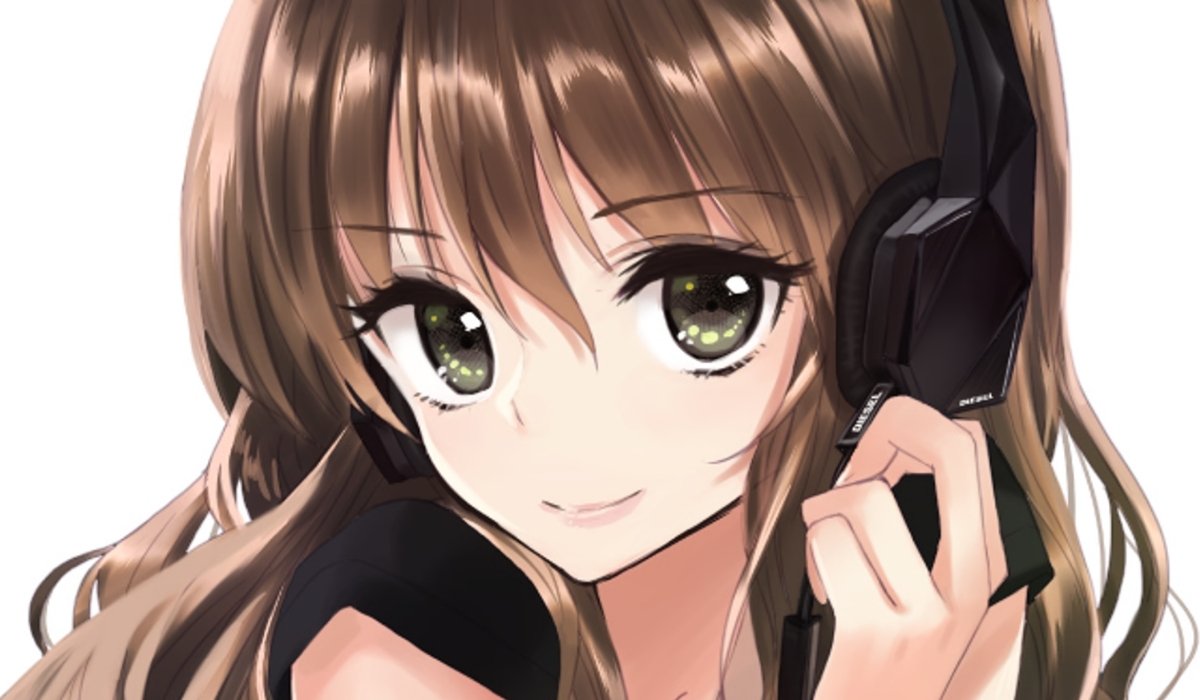
Doujen Moe represents a specialized intersection of independent creative production and the aesthetic of “cuteness” within global media circles. This concept blends “Doujin,” referring to self-published works, with “Moe,” a term describing a deep affective response to adorable or vulnerable characters. This subculture thrives on the passion of independent artists who reinterpret existing media through a lens of emotional attachment and personal storytelling. By focusing on Doujen Moe, fans create a unique space where commercial boundaries dissolve, allowing for highly personalized and stylistically diverse interpretations of beloved characters that resonate with specific niche audiences worldwide.
Quick Bio Table
| Feature | Details |
|---|---|
| Keyword | Doujen Moe |
| Origin | Japanese Independent Fan Culture |
| Core Concept | Self-published “Moe” content |
| Primary Media | Manga, Digital Art, Novels |
| Community Type | Global Otaku & Digital Artists |
| Key Event | Comiket and Online Platforms |
Origins of the Doujen Moe Subculture
The roots of Doujen Moe lie in the long-standing tradition of Japanese dōjinshi, where amateur creators produce fan-made comics and art. Historically, these circles began as small gatherings of like-minded individuals sharing their love for specific series. Over time, the concept of moe became the driving force behind these creations, shifting the focus from simple parody to the celebration of character appeal. This evolution transformed the landscape of fan production, moving it from underground hobbyist circles to a significant cultural phenomenon that influences professional industries and dictates trends in character design across various digital media platforms.
Defining the Aesthetic of Moe
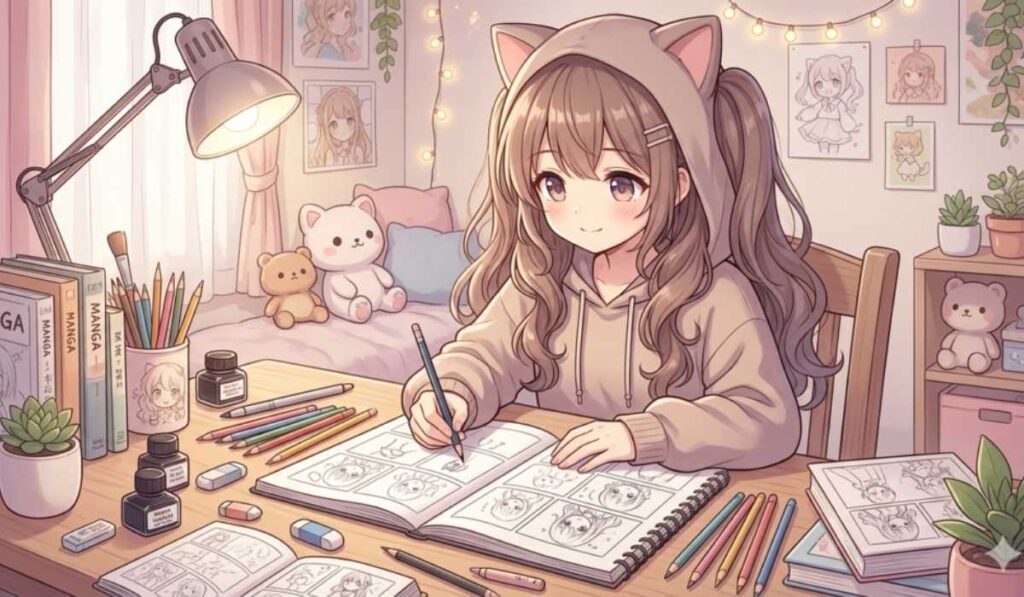
Moe is more than just a visual style; it is an emotional response triggered by specific character traits that evoke a desire to protect or nurture. In the context of Doujen Moe, this aesthetic is amplified through exaggerated features such as large eyes, expressive faces, and endearing personality quirks. Creators often focus on “moe points”—specific attributes like glasses, clumsiness, or a particular hairstyle—to craft characters that feel deeply relatable and charming. This focus on aesthetic purity and emotional resonance allows independent artists to connect with their audience on a visceral level, bypassing traditional narrative structures.
The Role of Independent Publishing
Independent publishing is the backbone of the Doujen Moe movement, providing a platform for voices that might be overlooked by mainstream publishers. Through self-publishing, creators maintain total control over their intellectual property and artistic vision, allowing them to experiment with unconventional themes and styles. This autonomy is crucial for the development of Doujen Moe, as it fosters a culture of innovation and risk-taking. Whether through physical booklets at conventions or digital downloads on specialized platforms, independent publishing ensures that the diversity of fan expression remains vibrant and accessible to a global community of enthusiasts.
Impact of Digital Art Platforms
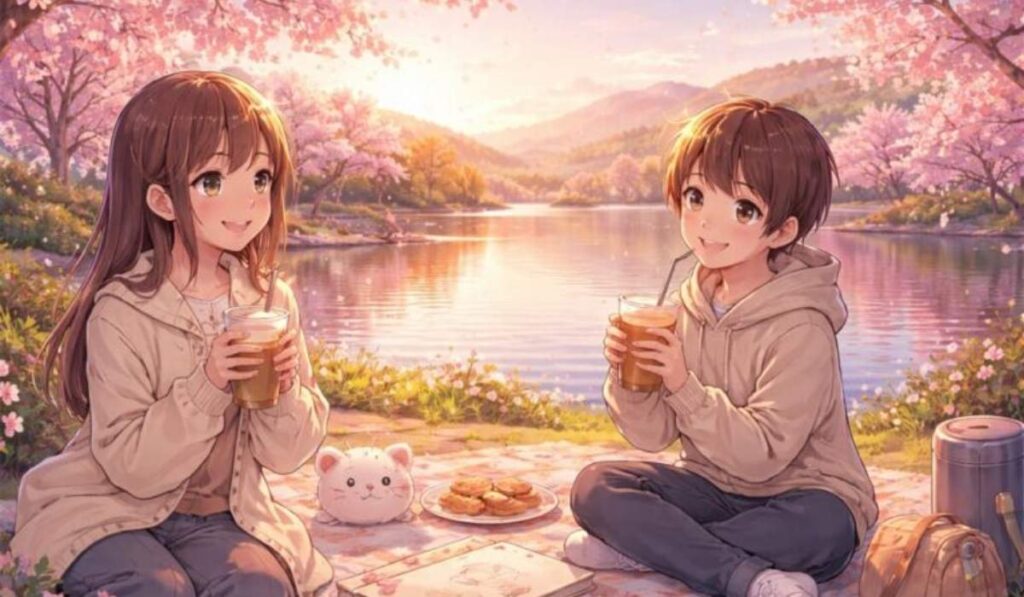
The rise of digital art platforms has revolutionized the way Doujen Moe content is created and shared. Websites like Pixiv and Twitter allow artists to reach international audiences instantly, breaking down geographical barriers that once limited the reach of fan works. These platforms provide tools for feedback and community building, enabling artists to refine their craft and gain recognition. The digital nature of this art also allows for rapid iteration and the sharing of high-quality visuals, which has significantly raised the bar for what is expected in the realm of independent character-based creative production today.
Doujen Moe in Global Fandom
While originating in Japan, Doujen Moe has become a global phenomenon, with artists and fans from every corner of the world participating in the culture. International fan conventions now frequently feature “Artist Alleys” dedicated to self-published works that reflect this aesthetic. This globalization has led to a cross-pollination of styles, where Western artistic traditions blend with Eastern moe tropes to create something entirely new. The shared language of character appreciation allows fans to connect across cultures, proving that the emotional appeal of moe transcends borders and creates a unified global community of creators.
Character Design Trends and Tropes
In the world of Doujen Moe, character design is a meticulous process involving the selection of specific tropes that resonate with fans. Common themes include the “tsundere,” who hides a soft heart behind a harsh exterior, or the “dandere,” who is shy and quiet. These tropes serve as a shorthand for emotional depth, allowing artists to communicate complex personalities through visual cues alone. By iterating on these established archetypes, creators can explore new facets of character identity, ensuring that the aesthetic remains fresh while still providing the familiar comfort that fans of the genre expect.
Fan Conventions and Physical Markets
Physical marketplaces, such as Comiket in Tokyo, remain vital hubs for the Doujen Moe community. These events provide a rare opportunity for fans to meet their favorite independent creators in person and purchase limited-edition physical works. The atmosphere of these conventions is one of intense passion and shared identity, where the act of buying a dōjinshi is a form of direct support for the artist. These markets also serve as breeding grounds for new trends, as the immediate feedback from the crowd helps creators understand what tropes and styles are currently resonating most.
Legal Considerations for Fan Creators
Navigating the legal landscape is a constant challenge for those involved in Doujen Moe, as many works utilize copyrighted characters. In Japan, there is a general “gentleman’s agreement” where companies often turn a blind eye to fan works as long as they are not overly commercialized. However, as the culture goes global, different copyright laws come into play, creating a complex environment for creators. Many artists have transitioned to creating original characters to avoid these issues, leading to a surge in original moe content that stands independently from established franchises while still honoring the subculture’s roots.
The Intersection of Gaming and Moe
Video games have become a major source of inspiration for Doujen Moe creators, particularly titles with strong character focuses. Gacha games and visual novels often feature designs specifically engineered to trigger a moe response, providing a wealth of material for fan artists. This relationship is symbiotic, as fan-made content often keeps a game’s community active and engaged long after its initial release. The interactive nature of gaming adds another layer to the moe experience, as players form personal bonds with characters that they then express through their own creative fan-made contributions.
Merchandising and Fan-Made Goods
Beyond comics and art, Doujen Moe extends into the realm of physical merchandise, such as keychains, stickers, and acrylic stands. These fan-made goods allow enthusiasts to carry a piece of their favorite aesthetic with them in their daily lives. The production of these items has become increasingly accessible due to online manufacturing services, allowing even small-scale artists to offer professional-quality merchandise. This aspect of the culture emphasizes the “collectible” nature of moe, where fans seek to surround themselves with physical reminders of the characters and creators they feel a deep connection toward.
Community Dynamics and Online Groups
Online communities on platforms like Discord and Reddit serve as the digital “lounges” for the Doujen Moe world. These spaces allow for deep discussions on character theories, art techniques, and upcoming releases. The sense of belonging within these groups is strong, as members share a niche interest that is often misunderstood by the mainstream. These communities also play a critical role in organizing collaborative projects, such as fan-made anthologies or “zines,” which bring together multiple artists to celebrate a specific theme or character, further strengthening the bonds within the global fan network.
The Psychology of Character Attachment
The intense attachment fans feel toward Doujen Moe characters can be explained through psychological concepts like parasocial relationships. When a character is designed with specific moe traits, it can trigger an empathetic response in the viewer, leading to a sense of companionship or a desire to see the character succeed. This emotional bond is the primary motivator for creators and consumers alike, driving the production of endless variations of character-focused content. Understanding this psychological link helps explain why certain designs become viral and why the subculture continues to thrive despite changing media trends.
Translation and Scanlation Cultures
For non-Japanese speakers, translation and scanlation groups are essential for accessing Doujen Moe content. These volunteer-led teams work to translate fan comics and novels, making them accessible to a wider international audience. While this practice exists in a legal gray area, it is often the only way for global fans to engage with niche independent works. The efforts of these translators help spread the moe aesthetic to new regions, fostering a more inclusive and diverse community where language is no longer a barrier to appreciating the creative output of talented independent artists.
Evolution of Art Styles Over Time
The visual language of Doujen Moe has undergone significant changes since its inception. Early works often mimicked the styles of popular professional manga, but contemporary creators are increasingly developing unique, signature styles. The influence of “pop-art” and digital painting techniques has introduced vibrant colors and complex lighting to the genre. This stylistic evolution reflects the growing sophistication of the amateur art community, where the line between “fan art” and “fine art” is becoming increasingly blurred as artists push the boundaries of character-based illustration and digital storytelling.
The Influence of Virtual YouTubers
The rise of Virtual YouTubers, or VTubers, has introduced a new dimension to the Doujen Moe landscape. These digital avatars are often designed by famous dōjin artists and embody many of the classic moe tropes. Because VTubers interact with their audience in real-time, the sense of moe is heightened through personality and performance. This has created a massive new wave of fan production, as artists rush to capture the moments and traits of their favorite digital personalities, further cementing the role of moe as a cornerstone of modern digital entertainment and fan engagement.
Future Trends in Fan Expression
As technology continues to advance, the future of Doujen Moe looks toward even more interactive and immersive forms of expression. Augmented reality and virtual reality could allow fans to “interact” with moe characters in three-dimensional spaces, bringing the aesthetic to life in ways previously unimagined. Additionally, the rise of AI-assisted art tools is sparking new conversations within the community about creativity and authorship. Regardless of the medium, the core desire to express love for characters through the lens of moe will likely remain the driving force of this resilient and creative subculture.
Gender and Identity in Fan Circles
Doujen Moe is a space where diverse identities can be explored and celebrated. While traditionally associated with male-oriented content, the subculture has seen a significant increase in female creators and fans who bring their own perspectives to the moe aesthetic. This diversity is reflected in the themes of the works, which range from innocent romance to complex social commentary. By providing a safe space for creative exploration, the Doujen Moe community allows individuals to experiment with their own identities through the characters they create and support, making it a truly inclusive global movement.
Ethical Content Creation Practices
As the community grows, there is an increasing focus on ethical creation and the importance of respecting original creators. Many Doujen Moe artists are proactive about setting boundaries regarding how their work is used or shared. This culture of respect helps maintain the integrity of the community and ensures that artists feel safe to continue sharing their work online. Promoting ethical practices, such as proper credit and avoiding unauthorized reposts, is essential for the long-term health of the ecosystem, allowing creators to receive the recognition they deserve for their contributions to the moe landscape.
The Lasting Legacy of Independent Moe
The enduring popularity of Doujen Moe is a testament to the power of fan-driven creativity. By focusing on the emotional core of character appeal, independent artists have created a cultural movement that rivals professional industries in its influence and reach. As long as there are characters to love and stories to tell, the world of Doujen Moe will continue to flourish, providing a vibrant and ever-changing tapestry of fan expression that celebrates the beauty of cuteness and the joy of creation.
FAQS
- What is the meaning of Doujin in fan culture?
- Doujin refers to self-published works created by individuals or small groups outside of mainstream industries.
- How is Moe defined in character design?
- Moe is a specific aesthetic and emotional response triggered by cute, vulnerable, or endearing character traits.
- Can anyone create Doujen Moe content?
- Yes, the subculture is open to anyone with a passion for characters and a desire to create art or stories.
- Where are the best places to find Doujen Moe art?
- Platforms like Pixiv, Twitter, and specialized fan conventions are the primary hubs for discovering this content.
- Is Doujen Moe legal to produce?
- It generally exists under a fair-use or non-commercial understanding, though laws vary depending on the region and original IP.
